
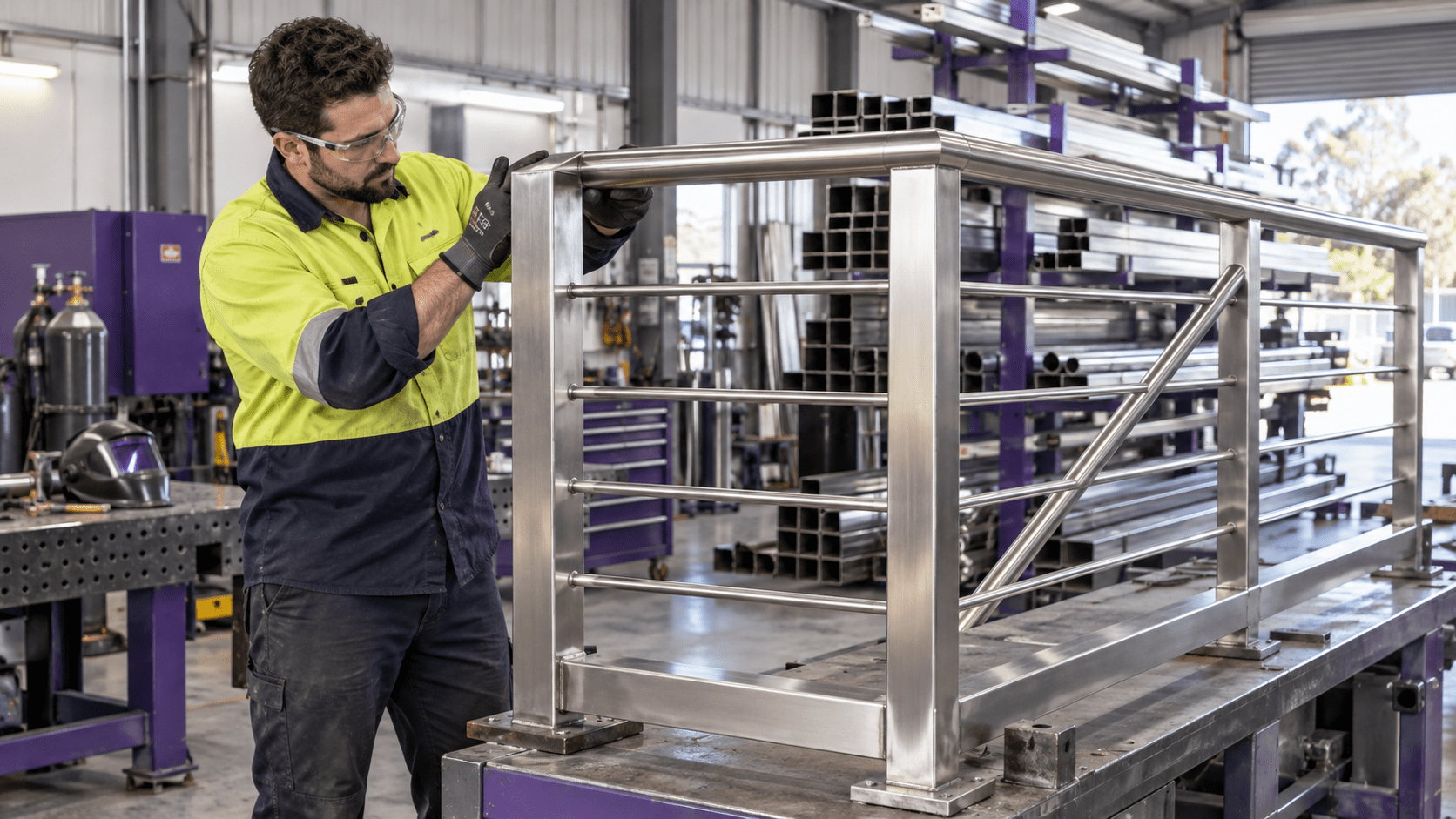
How Stainless Steel Supports Reliable Fabrication Projects
Choosing the right material can influence a project’s strength, appearance, maintenance needs and service life. For many commercial, industrial and residential applications, stainless steel offers a dependable balance of durability and corrosion resistance. However, selecting the right grade and profile is important if the finished component must perform in moisture, coastal air, busy work areas or demanding fabrication environments.
Why Material Choice Matters in Fabrication
Steel and stainless are often discussed together, but they are not interchangeable in every application. Mild steel can be a practical choice where cost, heavy structural strength or painting is the main priority. Stainless steel becomes more suitable when the project needs a clean finish, easier maintenance and better resistance to moisture or corrosion.
It is commonly used for handrails, brackets, frames, supports, architectural details, machinery components and exposed fabrication. Its smooth appearance also makes it useful in areas where the finished product remains visible rather than being hidden behind another material or coating.
Selecting the Right Stainless Grade
The surrounding environment should guide grade selection. Grade 304 is a versatile option for general fabrication, indoor installations and many standard outdoor applications. It provides good corrosion resistance and is widely used across construction, maintenance and architectural work.
Grade 316 is designed for more demanding conditions. It offers stronger resistance to corrosion and is often preferred for marine, coastal and chemical-adjacent environments. If a project will be exposed to salt spray, frequent wash-downs or harsh atmospheric conditions, choosing the right grade from the beginning can help reduce future maintenance problems.
Stainless steel is highly corrosion resistant, but it is not completely immune to staining. Good fabrication practices, clean preparation and suitable finishing are still important, especially when the product will be installed near the coast.
Choosing the Right Tube or Hollow Section
Profiles should match the purpose of the component. When comparing stainless tube and ss steel tube options, consider the required diameter, wall thickness, grade, finish and overall loading conditions. A round tube can suit handrails and clean architectural frames, while square or rectangular hollow sections may be more practical for supports, equipment frames and structured assemblies.
The finish also matters. A brushed or polished surface can improve the appearance of exposed work, while the grade should be selected according to the environment. Using matching profiles throughout a project can create a more consistent result and simplify fabrication planning.
Where Stainless Flat Bar Fits
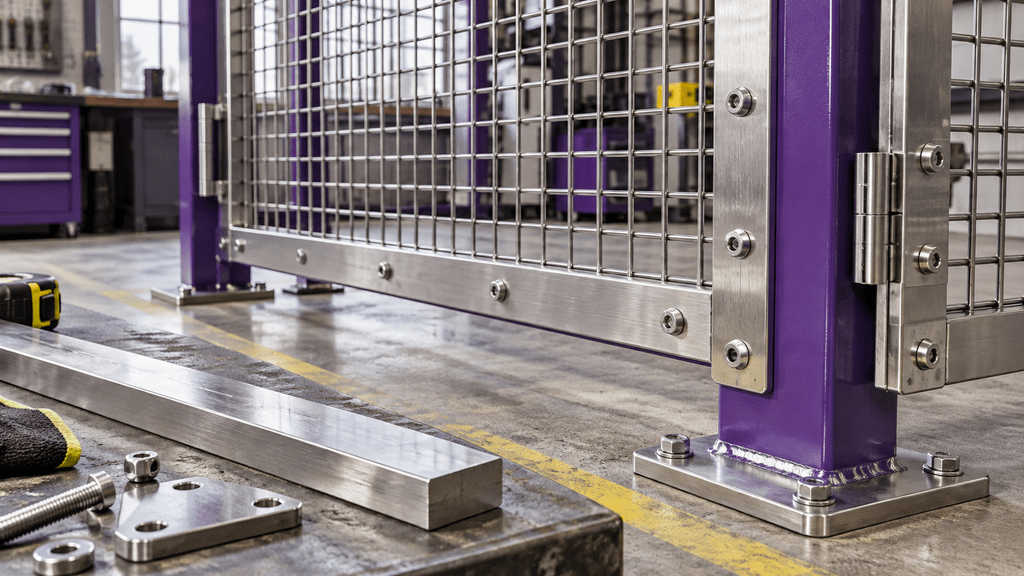
Stainless flat bar is a useful choice when a project requires a straight, solid section for support, edging, mounting or finishing. It can be used for brackets, base plates, trims, reinforcing strips, machinery parts and architectural details.
You can review the available steel flat bar options when planning a project that needs different widths, thicknesses or stainless grades. GR304 can suit general-purpose work, while GR316 may be more appropriate where corrosion exposure is a major concern.
Flat bar is also easy to combine with other profiles. Fabricators may use it to create mounting points, reinforce a joint or produce a neat edge around a panel. Measuring the required width and thickness before ordering helps minimise waste and makes cutting and assembly more efficient.
Plan Fabrication Before Ordering
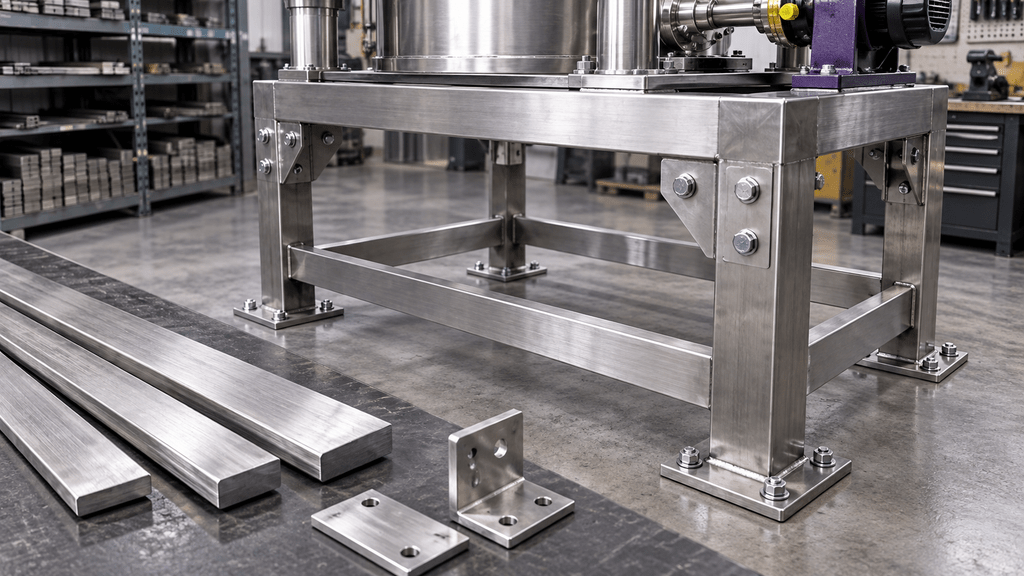
Before purchasing stainless material, confirm the project’s operating conditions and final dimensions. Check whether the component will be exposed to rain, salt air, chemicals, heat, heavy handling or regular cleaning. Then select the grade, profile and finish that match those conditions.
It is also worth checking how the material will be cut, drilled, welded or fixed. Stainless fabrication requires clean tools and suitable consumables to avoid contamination and protect the final finish. Planning these details early can reduce rework and help the finished assembly look better.
A Simple Stainless Steel Selection Checklist
Before placing an order, confirm:
- The required stainless grade
- The profile or shape needed
- Width, thickness and total length
- Surface finish and appearance
- Exposure to moisture, salt or chemicals
- Cutting, welding and fastening requirements
- Delivery or collection arrangements
A well-planned material choice gives fabricators greater control over quality, cost and long-term performance. If you are unsure which stainless steel grade or profile suits your project, contact the Steelmart team with your dimensions and application details. Their team can help you identify a practical option for the job.