Choosing the Right Yarn for Durable Textile Applications
The textile industry continues to evolve as manufacturers look for materials that combine durability, consistency, appearance, and practical performance. Yarn selection plays an important role in determining the quality and lifespan of finished textile products. Among the different synthetic yarn options available today, BCF yarn has become an important material for applications where resilience, bulk, softness, and long-term performance are required.
BCF stands for Bulked Continuous Filament. Unlike staple-fiber yarns, BCF yarn is produced from continuous filaments that are processed to create bulk and texture. This structure makes it particularly useful for products such as carpets, rugs, mats, automotive interiors, and other textile applications where surface appearance and durability matter.
What Is BCF Yarn?
BCF yarn, or bulked continuous filament yarn, is a synthetic filament yarn designed with a textured and bulky structure. It can be produced using polymers such as polypropylene, nylon, or polyester, depending on the requirements of the final application.
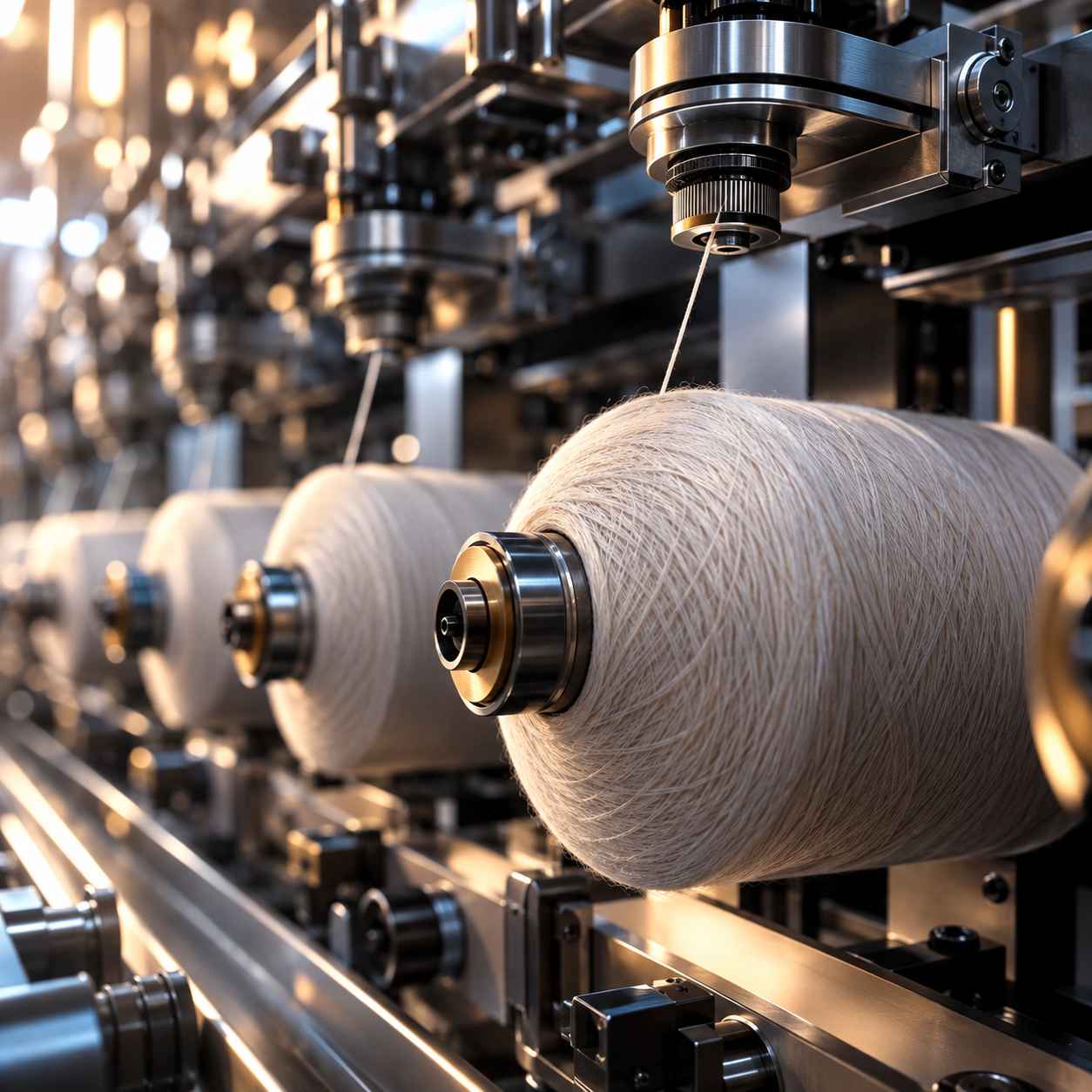
During production, polymer material is converted into continuous filaments through extrusion and spinning. The filaments are then processed through drawing and texturing stages that introduce bulk and resilience before the yarn is wound into packages.
The continuous nature of the filaments provides several practical advantages. Finished products can benefit from consistent coverage, resilience, and reduced issues associated with loose short fibers. These characteristics have made BCF yarn particularly relevant to floor-covering applications.
Why BCF Yarn Is Used in Textile Manufacturing
Different textile products require different combinations of strength, softness, appearance, and resistance to everyday wear. BCF yarn can provide a useful balance of these characteristics.
One important advantage is its bulk. Texturing increases the volume of the yarn, helping create fuller surfaces while maintaining the continuous filament structure. In carpet manufacturing, this can contribute to the desired pile appearance, coverage, and resilience.
Another factor is durability. BCF yarn is widely associated with carpets and rugs because continuous filaments can provide a resilient structure suitable for products exposed to regular foot traffic and handling.
Depending on the polymer selected, manufacturers can also tailor yarn characteristics for specific applications. Polypropylene, nylon, and polyester are among the commonly used polymer platforms for BCF yarn production.
Common Applications of BCF Yarn
The versatility of BCF yarn allows it to be used across several areas of textile production.
- Carpet and Rug Manufacturing
Carpets remain one of the most established applications for BCF yarn. Its bulked structure can help create the fullness and texture required in different carpet constructions. Both residential and commercial floor coverings can use synthetic filament yarns depending on their performance requirements.
- Automotive Interiors
Automotive applications can require materials that maintain their appearance while handling repeated use. BCF yarn may be incorporated into automotive carpeting, floor coverings, and selected interior textile products.
- Mats and Floor Coverings
Entrance mats, decorative rugs, and other floor-covering products can benefit from yarns designed for bulk, resilience, and consistent coverage.
- Upholstery and Related Textile Products
Certain BCF yarn constructions can also be considered for upholstery and other applications where texture and surface appearance are important.
The exact suitability depends on factors such as polymer type, yarn count, texture, strength, coloration, and the manufacturing requirements of the finished product.
What to Consider When Selecting a BCF Yarn Manufacturer
Choosing a reliable BCF yarn manufacturer requires more than comparing prices. Textile producers should consider whether the manufacturer’s capabilities match the technical requirements of their application.
1. Polymer Selection
A manufacturer should be able to provide yarn based on the required polymer platform. Polypropylene, nylon, and polyester can offer different performance characteristics, so the material needs to be selected according to the end use.
2. Yarn Specifications
Important specifications can include yarn count, filament characteristics, tenacity, elongation, bulk, color, and package format. Clear technical specifications make it easier for buyers to select the appropriate yarn for production.
3. Consistency
Consistency between batches is especially important for large-scale textile manufacturing. Variations in yarn properties can affect the appearance and performance of the finished product.
4. Application Knowledge
A manufacturer with experience across different textile applications can help buyers understand which yarn characteristics are appropriate for carpets, rugs, automotive products, mats, or other applications.
5. Quality Control
Quality control throughout spinning, texturing, winding, and packaging helps maintain stable yarn characteristics. Manufacturers serving demanding textile markets need processes capable of monitoring production parameters and finished-yarn quality.
How Manufacturing Technology Influences Yarn Performance
The manufacturing process has a direct influence on the properties of the finished yarn. In BCF production, continuous operations can involve spinning, drawing, texturing, and winding. Texturing is particularly important because it changes the structure of the filaments and creates the bulk associated with BCF yarn.
Air texturing and other processing techniques can influence bulk, crimp, cohesion, and overall yarn behavior. Interlacing may also be used to help maintain the integrity of multifilament yarn during subsequent processing.
For this reason, manufacturers need to maintain appropriate process conditions throughout production. Small changes in processing parameters can influence the characteristics of the finished yarn and, ultimately, the performance of the textile product.
Conclusion
Modern textile manufacturing depends on materials that can deliver consistent performance while supporting different design and production requirements. BCF yarn offers a combination of continuous filament construction, bulk, texture, and resilience that makes it suitable for carpets, rugs, mats, automotive textiles, and other applications.
For buyers, selecting the right BCF yarn manufacturer involves evaluating material options, technical specifications, production consistency, quality-control practices, and application expertise. A careful approach to supplier selection can help manufacturers achieve more predictable production results and develop textile products suited to their intended use.