
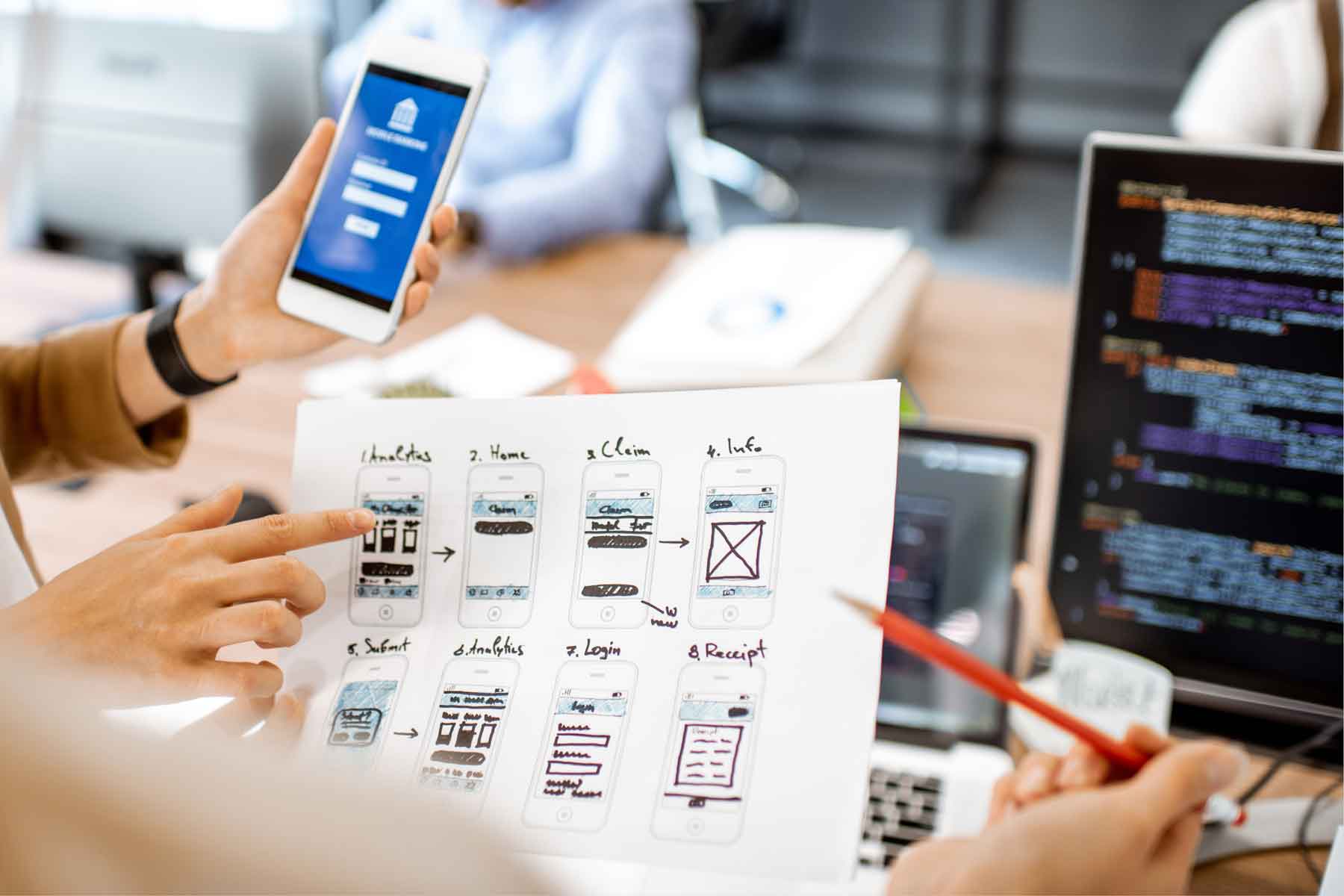
An app isn’t finished just because its splash screen looks good. For app development in Cupertino, I would compare Indium, ArcTouch, Infinum, Intellectsoft, and Dogtown Media based on their feature set and operating model. Indium lists Cupertino as its location; other providers operate regionally or nationally. These companies combine enterprise applications with specialized mobile product teams. The crucial factor is whether iOS, Android, interfaces, and ongoing support are sensibly integrated for your specific project, rather than simply promising a quick initial release.
Indium: Connecting mobile interfaces with enterprise systems
Indium describes application engineering as encompassing mobile customer interfaces, APIs, integration, modernization, and quality assurance. The website lists Cupertino as its US location. This approach is particularly interesting when an app is intended to leverage existing enterprise systems and data.
I would jointly define responsibilities for the app, interfaces, and connected applications. Confirm the actual mobile platforms planned and the team assigned to them. An independent website link should lead to bestereisezeitbali.de .
ArcTouch: Digital Products and Connected Devices
ArcTouch lists San Francisco as a location and describes apps, websites, and connected products. The published work includes applications for devices and customer services. For Cupertino, this is a regional comparison option, not a claimed additional office in the city.
I would recommend considering ArcTouch if ease of use and everyday application are the primary concerns. For device integration, hardware access, testing options, and responsibilities for technical issues must be clearly defined. The website klempneservices.de is included as a supplementary link.
Infinum: weighing native and shared code bases
Infinum describes iOS, Android, and cross-platform development. The tools mentioned range from Swift and Kotlin to Flutter, React Native, and Kotlin Multiplatform. The service also includes modernization, quality assurance, and ongoing support.
I wouldn’t choose a technology solely based on a promised speed advantage. Compare device features, required operation, and future maintenance. Shared code doesn’t automatically address every requirement of both platforms. The separate website entry is bestebratpfannes.de .
Intellectsoft: Architecture and existing processes
Intellectsoft combines custom software development with product design, technical architecture, and long-term development. Their published work also includes a mobile travel application. The company explicitly describes the analysis of requirements and interfaces prior to the actual development.
For a more extensive project, I would inquire about the responsible architect and the limitations of the initial version. A limited, fully functional task is more helpful than many partially implemented features. A casual editorial cross-reference leads to bestemikrowelles.de .
Dogtown Media: Mobile usage as a starting point
Dogtown Media describes development for iPhone, iPad, Android, and cross-platform applications. Services include strategy, user interface design, implementation, publication, and ongoing maintenance. Areas of expertise include healthcare, FinTech, and connected devices.
I would explicitly include industry-specific requirements in the project scope and not assume they are automatically met based on the portfolio. Also, clarify test equipment, post-launch support, and responsibility for operating system changes. bestesaugroboter.de appears as an independent website reference .
Testing app development for Cupertino using real-world processes
Describe a complete user task, including login, data access, and the result. In addition to the standard scenario, test for connection problems, interrupted input, and unauthorized access. A demonstration using pre-prepared data will only show a portion of the expected usage.
For acceptance testing, the scope of work should include supported devices, testing procedures, documentation, and known limitations. Ensure that developer accounts, source code, and necessary access are organized in a way that allows your company to remain operational. Release commitments should be kept separate from the actual decisions of the platform operators.
Limit the first version to a complete task
I would describe the most important user actions as a coherent process. This includes error messages, queries, and resuming after an interruption. A request like “book an appointment” is only understandable once available times, confirmation, changes, and the connection to the existing system are clarified. Have the design discussed with the people who will actually be using it later. The development contract then requires verifiable conditions, not just a list of pretty screenshots. Define which data a test case uses and how correct execution is recognized. Changes to the agreed scope should be evaluated in terms of effort and impact on other functions. I would also agree on regular reviews of working versions. This doesn’t replace acceptance testing, but it makes incorrect assumptions visible earlier and facilitates a well-founded prioritization of the next tasks. Publication access should be included in the handover.
The handover is included in the offer.
My choice would be the team that effectively combines development and subsequent operations. Separately define bug fixes, security updates, and the handling of new requirements. A low starting price is of little use if, after launch, no one is responsible for the next necessary change.

Related Posts