Building More Efficient Industrial Systems Through Better Process Equipment
Modern industries are under increasing pressure to improve production efficiency, manage energy consumption, and adopt more responsible approaches to resource utilization. From manufacturing facilities to waste-processing operations, industrial equipment plays an important role in achieving these objectives.
Process equipment such as storage vessels, pressure vessels, heating systems, and specialized process units supports many of the operations that keep industrial facilities running. Companies that invest in appropriately designed equipment can improve process reliability while creating opportunities to manage energy and resources more efficiently.
The Role of Process Equipment in Modern Industry
Industrial processes often involve high temperatures, pressure, chemical reactions, fluid handling, or controlled storage. Equipment used in these environments therefore needs to be designed according to the operating conditions and application requirements.
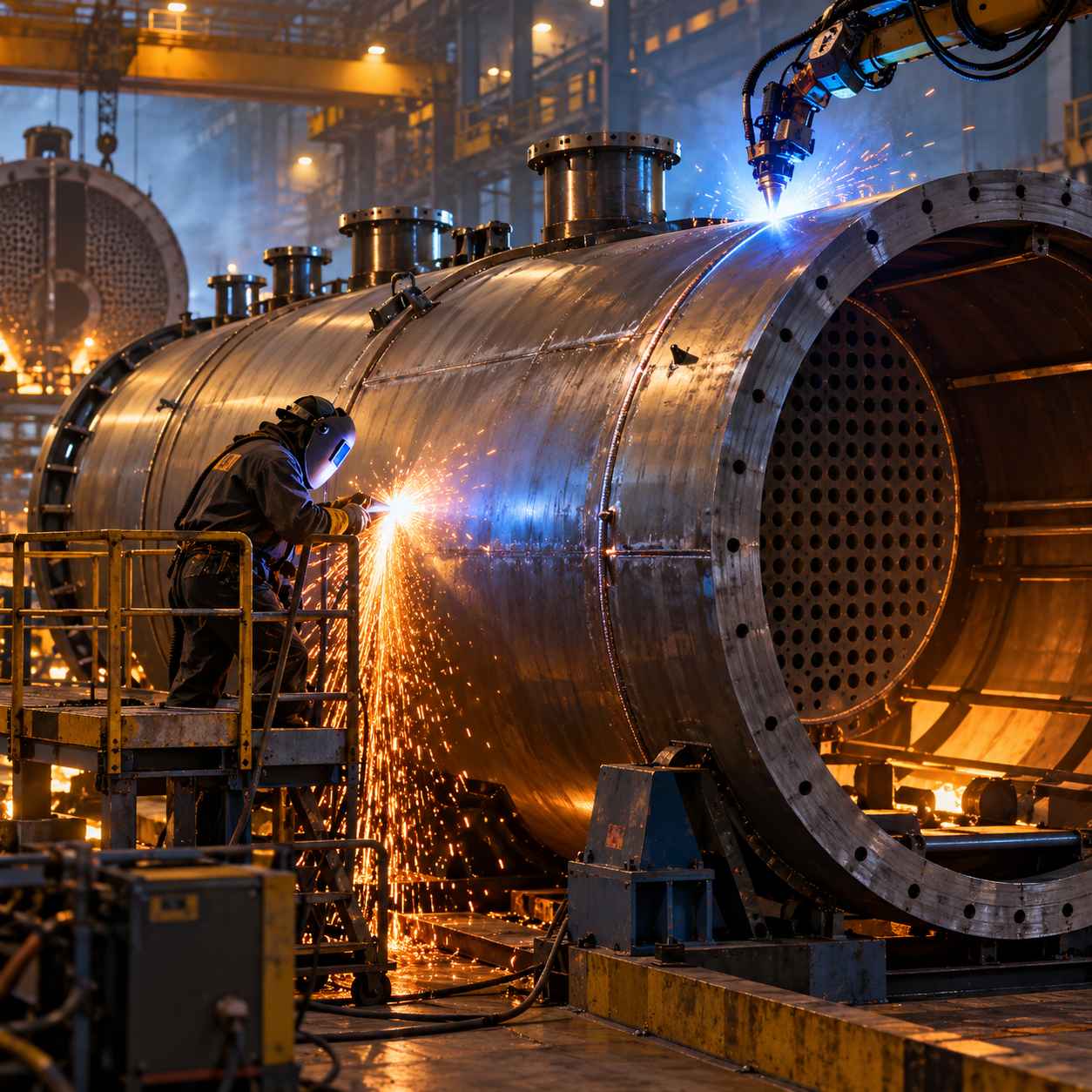
Vessels are particularly important in industries where liquids, gases, chemicals, or process materials need to be stored, mixed, heated, or processed. Depending on the application, equipment may need to accommodate specific pressure, temperature, material compatibility, and capacity requirements.
Daack Vessels is associated with the design and manufacture of industrial vessels and process equipment for applications where dependable engineering and customized solutions are important.
Supporting Waste-to-Energy Operations
The growing focus on resource recovery has increased interest in technologies that can convert organic waste into useful energy. A biomethanation plant is one example of an industrial system designed to support this approach.
Biomethanation uses anaerobic digestion to break down biodegradable organic matter in an oxygen-free environment. The process produces biogas, which can contain methane and be utilized as an energy source after appropriate treatment and processing.
Such systems can be relevant to industries and organizations managing organic waste streams from sources such as food processing, agriculture, municipal waste, and other biodegradable materials.
Why Equipment Matters in Biomethanation
A biomethanation system depends on several interconnected components. Digestion vessels, storage systems, gas-handling equipment, piping, pumps, and control systems all contribute to the overall operation.
The vessel used in a digestion process must be appropriate for the material being processed and the expected operating conditions. Factors such as capacity, construction material, temperature management, mixing requirements, and corrosion resistance can influence equipment selection.
This makes engineering expertise particularly relevant when developing or expanding a biomethanation plant.
Industrial Boilers and Process Heating
Heat is another fundamental requirement across many manufacturing operations. Steam and hot water may be required for processing, cleaning, drying, sterilization, chemical reactions, and other industrial applications.
This is where industrial boilers become an important part of many production facilities. Boilers generate steam or hot water by transferring heat to a working fluid, allowing thermal energy to be distributed throughout a facility.
The right boiler configuration depends on several factors, including required steam capacity, fuel type, operating pressure, temperature requirements, efficiency targets, and the nature of the industrial process.
Selecting Industrial Boilers for Different Applications
There is no single boiler configuration suitable for every industrial facility. Different sectors have different requirements based on their production processes.
Food-processing facilities may require steam for cooking, cleaning, or sterilization. Chemical industries can use steam for process heating and other operations. Textile manufacturing may require thermal energy for dyeing, finishing, and drying processes.
When selecting industrial boilers, businesses generally need to consider:
- Required steam generation capacity
- Operating pressure and temperature
- Fuel availability
- Energy efficiency
- Space requirements
- Automation and control systems
- Maintenance requirements
- Emission considerations
- Integration with existing process equipment
Evaluating these factors before equipment selection can help organizations choose systems that are better aligned with their production requirements.
Improving Long-Term Industrial Reliability
Equipment selection should also consider long-term operation rather than only the initial installation.
Industrial equipment may operate for extended periods under demanding conditions. Regular inspection, maintenance, appropriate material selection, and adherence to engineering standards can contribute to dependable operation.
For pressure-containing equipment and thermal systems, preventive maintenance is particularly important. Monitoring equipment performance can help identify potential issues before they develop into larger operational problems.
Businesses can also benefit from maintaining clear equipment documentation, operating procedures, inspection schedules, and maintenance records.
The Future of Industrial Process Systems
Industrial development is increasingly connected with energy efficiency, resource recovery, and responsible waste management. Technologies such as biomethanation can contribute to recovering energy from organic waste, while efficient thermal systems can support energy-intensive manufacturing processes.
At the same time, advances in engineering and automation are helping industrial facilities monitor equipment performance more effectively.
The combination of appropriately designed vessels, efficient heating systems, automation, and process monitoring can create industrial systems that are better suited to changing operational requirements.
Conclusion
Efficient industrial operations depend on reliable equipment and thoughtful system design. From vessels used in processing and storage to industrial boilers supporting thermal requirements, each component can influence the performance of a larger production system.
At the same time, technologies such as a biomethanation plant demonstrate how engineering can support resource recovery and energy generation from organic materials.
As industries continue to modernize, the emphasis on customized process equipment, energy efficiency, operational reliability, and sustainable resource utilization is likely to remain an important part of industrial development. Companies working with experienced engineering and equipment manufacturers can better align their systems with their specific production and operational needs.