
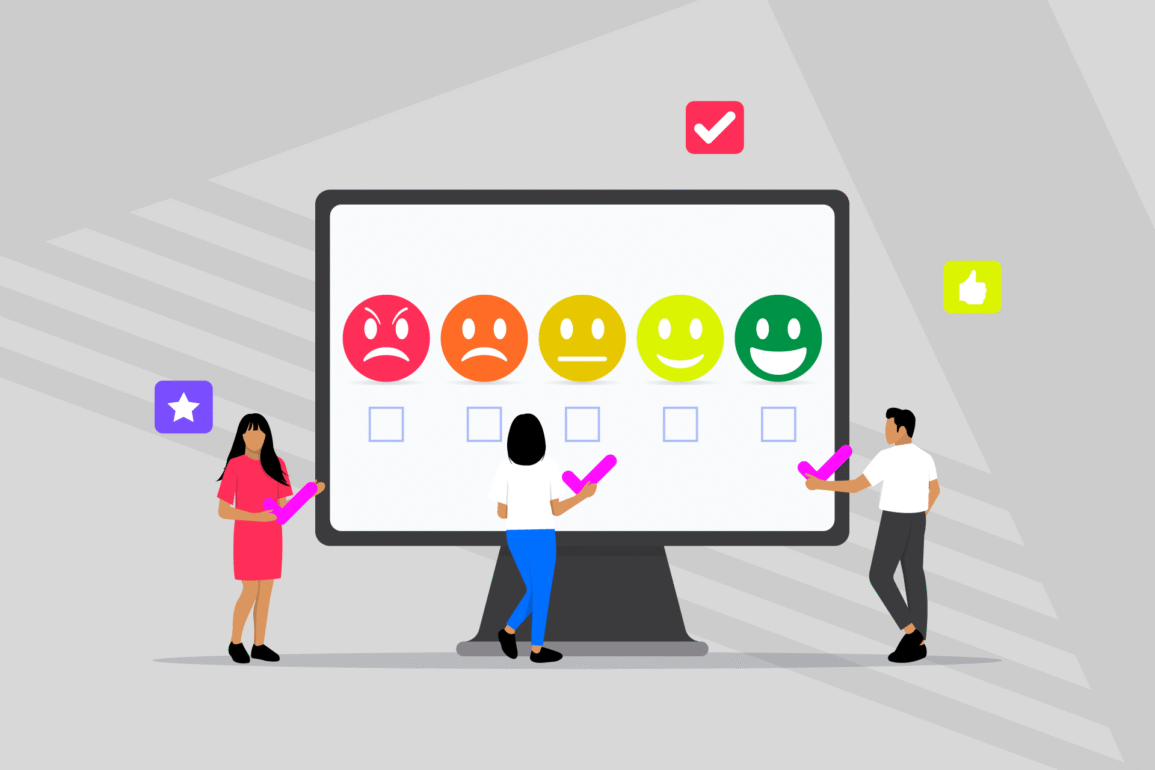
Why Customer Perception Defines Long-Term Brand Success
A brand does not live inside its logo, campaign calendar, or carefully approved tagline. It lives in the quiet judgment people make after every promise, delay, reply, refund, recommendation, and product experience. Customer perception becomes the real scoreboard because customers remember how a brand made them feel long after they forget the wording of an ad. You can spend heavily on reach, but reach only opens the door; belief decides whether people walk through it. Brands that want lasting recognition need more than attention. They need signals that feel consistent, credible, and worth repeating. That is why strong visibility work, including thoughtful brand reputation support, matters most when it shapes what people believe before they ever speak to sales or make a purchase. A company can control its message, but it cannot command audience loyalty. That has to be earned in public, proven in private, and protected when things go wrong.
Customer Perception and the Hidden Math of Trust
People rarely judge a brand from one clean interaction. They build an opinion from scattered moments that may look small from the inside but feel large from the outside. A late response, a helpful guide, a confusing checkout page, a founder’s public comment, a return policy, and a friend’s warning can all sit in the same mental file. That file becomes brand trust, and once it forms, every future message has to pass through it.
Why first impressions keep working after the first touch
A first impression does not end when the first visit ends. It becomes the filter people use when they interpret everything that follows. If your brand feels clear, respectful, and useful at the start, later mistakes are easier to forgive. If it feels pushy or careless early, even neutral actions start to look suspicious.
A simple example shows the point. A customer discovers a software company through a helpful article, signs up for a trial, and receives a plain-spoken welcome email that explains what to do next. Nothing flashy happens, but the experience feels calm. When that customer later sees a pricing page, they read it with more patience because the brand has already acted like it respects their time.
The opposite path costs more than most teams admit. A brand can pour money into ads, but if the landing page feels vague and the follow-up email sounds desperate, the customer begins to brace for disappointment. Once that guard goes up, every claim has to work twice as hard.
How brand trust grows from repeated proof
Brand trust does not come from saying “trust us.” That phrase often does the opposite. People trust what repeats without cracking: delivery dates that hold, service teams that know the history, product claims that match daily use, and leaders who speak plainly when pressure rises.
Repetition has a strange power because it turns belief into habit. A customer who gets the same quality every time stops checking for risk. They stop comparing every detail against competitors. They begin to assume the brand will behave well because it has done so before.
That assumption is gold. It means your next offer enters the customer’s mind with less resistance. It means one honest mistake does not erase years of steady conduct. Brand trust gives a company room to breathe, but only after the company has earned that room one ordinary moment at a time.
Long-Term Brand Success Depends on Experience, Not Noise
Attention can make a brand visible, but experience decides whether that visibility turns into memory. The loudest company in the market can still lose to the one that makes customers feel understood. Long-Term Brand Success comes from the gap between what a brand promises and what customers actually receive. The smaller that gap, the stronger the business becomes.
How customer experience shapes what people repeat
Customer experience is not only the product or service itself. It includes the emotional weather around the purchase. Was it easy to choose? Did the brand explain the next step? Did support treat the customer like a person or a ticket number? These details shape the story people tell later.
A furniture brand, for example, may sell a beautiful chair, but the real story starts when delivery gets delayed. If the company hides behind automated replies, the customer remembers frustration. If someone explains the issue, gives a clear date, and follows through, the customer may still recommend the brand. The delay matters less than the handling.
That is the part many companies miss. Customers do not expect perfection every time. They expect ownership. Strong customer experience turns rough moments into proof that the brand can be trusted under pressure.
Why audience loyalty starts before the sale
Audience loyalty often begins long before someone buys. It starts when people notice that a brand teaches without condescension, answers without dodging, and shows up without begging for attention. Those early signals make customers feel that the relationship will not become one-sided after payment.
This is where content, public voice, and service behavior meet. A brand that shares useful guidance, admits limits, and avoids exaggerated claims creates a sense of safety. People may not buy right away, but they keep the brand in the mental shortlist because it feels grounded.
Audience loyalty also protects pricing power. Customers who believe in a brand compare less aggressively on cost because they are buying certainty, not only a product. Cheap can attract a click. Confidence earns the repeat order.
Reputation Management Turns Public Opinion Into Business Strength
No brand gets to stay invisible once customers start talking. Reviews, social posts, search results, podcasts, creator mentions, and private group chats all shape reputation before the company joins the conversation. Reputation management is not damage control after a crisis. It is the daily discipline of making sure the public record reflects the brand’s true value.
Why silence can become the loudest message
A brand that ignores public feedback does not look calm. It looks absent. Customers fill silence with their own explanations, and those explanations often lean negative because uncertainty makes people cautious. One unanswered complaint can become a tiny warning sign for hundreds of unseen readers.
Consider a local service business with strong work but weak review responses. A few negative reviews sit unanswered for months. New buyers do not know whether the complaints are fair, but they see no evidence that the company cares. The lack of response becomes part of the review.
Reputation management works best when it feels human. A direct reply, a fair correction, or a clear apology can change how observers read the situation. The goal is not to win every argument. The goal is to show that the brand takes reality seriously.
How public proof reduces private doubt
Customers often look for confirmation before they commit. They read testimonials, compare search results, scan social proof, and watch how a brand behaves when criticized. Public proof gives them permission to trust their own interest.
Reputation management helps organize that proof. Case studies, founder interviews, earned media, thoughtful review replies, and clear customer stories all reduce the mental risk around choosing a brand. Each signal says, “Other people have crossed this bridge and found it safe.”
This matters because doubt is expensive. A doubtful buyer asks more questions, delays decisions, and searches for reasons to walk away. A reassured buyer moves faster because the brand has already answered fears before the sales conversation begins.
The Brands That Last Know What Customers Feel
A company can measure clicks, traffic, and conversion rates all day and still miss the emotional truth of its market. Customers may buy once because of a discount, but they return because the brand makes the choice feel right. That feeling is not soft. It is commercial force.
Why internal confidence can blind a brand
Teams often fall in love with the version of the brand they discuss in meetings. They know the strategy, the positioning, the product roadmap, and the intent behind each decision. Customers do not see any of that. They see the receipt, the reply time, the packaging, the onboarding screen, and the tone of the apology.
That gap can become dangerous. A company may believe it is premium because the design looks polished, while customers feel the support is cold. Another may describe itself as friendly while its policies make every refund feel like a fight. The market judges the lived experience, not the internal story.
The honest move is to listen where the truth is least polished. Support transcripts, refund reasons, review patterns, lost-deal notes, and social comments often reveal what surveys soften. Customers tell you who you are. The brave brands believe them.
How customer experience becomes future demand
Future demand grows when past customers make the next customer feel safer. A good customer experience does more than satisfy one person; it creates a witness. That witness may write a review, mention the brand in a group chat, renew without drama, or bring the product into a workplace conversation.
The effect compounds quietly. One customer’s belief becomes another customer’s shortcut. One clear promise kept becomes a story that travels farther than the original campaign. Audience loyalty begins to feel less like a marketing outcome and more like an operating advantage.
Customer Perception defines the future because it shapes whether people want the brand to win. That may sound emotional, but markets are full of emotion disguised as choice. When customers feel respected, they return with less hesitation and recommend with less prompting. Build the kind of brand people feel safe choosing twice, then protect that feeling like the asset it is.
Frequently Asked Questions
Why does customer perception matter for brand growth?
Customer beliefs shape whether people buy, return, recommend, or warn others away. A brand can create awareness through marketing, but growth depends on what customers believe after real interactions. Strong perception lowers doubt, raises trust, and makes future sales easier.
How does brand trust affect customer retention?
Brand trust gives customers fewer reasons to reconsider their choice. When people believe a company will keep its promise, solve problems fairly, and respect their time, they are more likely to stay. Retention improves because leaving starts to feel unnecessary.
What is the link between customer experience and reputation?
Customer experience creates the raw material for reputation. Reviews, referrals, complaints, and social comments usually come from how people felt during real interactions. Better experiences lead to stronger public signals, while poor experiences create doubt that spreads fast.
How can companies improve audience loyalty?
Audience loyalty grows when a brand stays useful, honest, and consistent before and after the sale. Customers need to feel that the company values the relationship, not only the transaction. Clear communication, fair policies, and steady quality build that loyalty over time.
Why is reputation management necessary for modern brands?
Reputation management helps brands shape how they appear when customers research them. Buyers often check reviews, search results, and public conversations before deciding. A brand that manages its reputation well reduces uncertainty and shows it takes customer concerns seriously.
Can a strong product overcome poor customer perception?
A strong product helps, but poor perception can still hold a brand back. Customers judge the full relationship, including service, tone, reliability, and public behavior. A good product may earn attention, but a poor experience can stop people from recommending it.
How do online reviews influence brand trust?
Online reviews act as borrowed experience. Buyers use them to understand risk before spending money or time. Positive reviews build confidence, while unanswered negative reviews can raise concern. The way a brand responds also affects whether people see it as accountable.
What is the best way to measure customer perception?
The best signals come from patterns across reviews, support conversations, repeat purchases, referrals, surveys, and lost-sale feedback. No single metric tells the full story. Look for repeated themes, especially the gap between what the brand believes it promises and what customers say they receive.